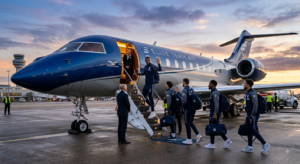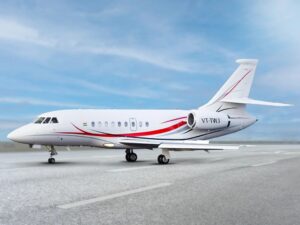
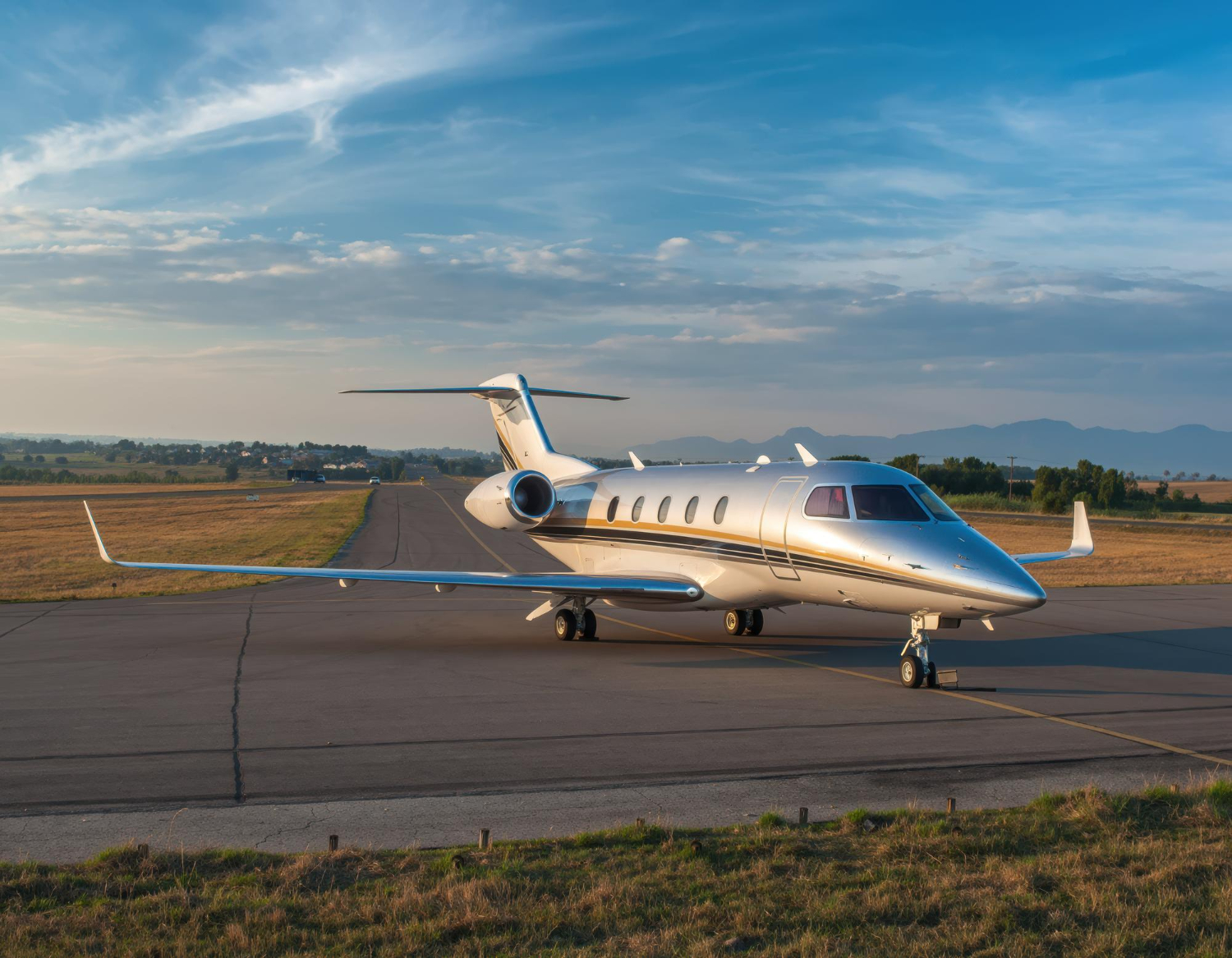
Private jets have transformed modern air travel by offering greater flexibility, privacy, comfort, and convenience. Whether travelling for business meetings, family holidays, or international engagements, private aviation allows passengers to plan their journeys around their own schedules. One of the most common questions among travellers considering private aviation is: How far can a private jet fly without stopping?
The answer depends on several factors, including the aircraft type, fuel capacity, passenger load, weather conditions, and flight route. While smaller private jets are designed for shorter regional journeys, larger aircraft can travel across continents and oceans without requiring a fuel stop.
Understanding the flying range of different private jets can help travellers select the right aircraft for their journey.
What Is the Flying Range of a Private Jet?
The flying range of a private jet refers to the maximum distance an aircraft can travel without refuelling. This distance is generally measured in nautical miles or kilometres and varies significantly depending on the aircraft model.
Some light private jets can cover approximately 2,000 to 3,500 kilometres, making them suitable for domestic and regional travel. In comparison, ultra-long-range private jets can travel more than 12,000 kilometres without stopping, making them suitable for intercontinental journeys.
For example, the Gulfstream G700 has a published maximum range of approximately 14,353 kilometres, while the Dassault Falcon 2000LXS offers a range of approximately 7,408 kilometres under specified operating conditions.
Gulfstream Aerospace+1
However, the actual flying distance may vary based on operational requirements and prevailing conditions.
How Far Can Different Types of Private Jets Fly?
Private jets are generally classified into different categories based on their size, passenger capacity, performance, and flying range.
1. Light Private Jets
Light jets are designed primarily for shorter journeys and regional connectivity. They are suitable for small groups travelling between nearby cities and business destinations.
These aircraft generally offer a flying range of approximately 2,000 to 3,500 kilometres, depending on the model.
Light jets are commonly preferred for short business trips, weekend travel, and journeys where passengers want to avoid the time involved in commercial airport procedures.
2. Midsize Private Jets
Midsize private jets provide a balance between cabin comfort, passenger capacity, and flying distance. They generally offer more spacious seating and additional baggage capacity compared to light jets.
Their typical flying range is approximately 3,000 to 5,000 kilometres, depending on aircraft specifications.
Midsize jets are suitable for longer domestic routes and selected international journeys. They are often preferred by corporate travellers who require comfortable cabin space for working or relaxing during a flight.
3. Super-Midsize Private Jets
Super-midsize aircraft offer greater range and cabin comfort, making them suitable for longer international journeys.
Depending on the model, these jets can cover approximately 5,000 to 7,000 kilometres without refuelling.
Their extended range allows travellers to connect distant business destinations while enjoying features such as spacious cabins, advanced communication systems, and comfortable seating arrangements.
4. Large and Long-Range Private Jets
Large private jets are designed for passengers travelling across longer distances. These aircraft typically provide larger cabins, additional passenger amenities, and the ability to operate extended flights.
Many long-range private jets can cover approximately 7,000 to 12,000 kilometres, although capabilities vary considerably by model.
These aircraft are well suited for international business travel, family journeys, and routes requiring extended periods in the air.
5. Ultra-Long-Range Private Jets
Ultra-long-range private jets represent some of the most advanced aircraft in business aviation. They are specifically designed to connect distant international destinations with fewer fuel stops.
Certain aircraft in this category can travel beyond 14,000 kilometres under specified conditions.
For instance, the Gulfstream G700 offers a maximum published range of 7,750 nautical miles, equivalent to approximately 14,353 kilometres.
Gulfstream Aerospace
These aircraft are particularly useful for travellers who regularly undertake intercontinental journeys and place a high priority on uninterrupted travel.
What Factors Affect How Far a Private Jet Can Fly?
Although aircraft manufacturers publish maximum flying ranges, the actual distance achievable during a journey depends on several operational factors.
Aircraft Type and Fuel Capacity
Different private jets are designed with varying fuel capacities and engine technologies. Aircraft built for long-distance travel generally have greater fuel storage and systems optimised for extended flights.
Number of Passengers and Baggage
The total weight carried by an aircraft influences its fuel consumption and achievable range. Additional passengers, luggage, and other onboard loads may reduce the distance an aircraft can travel without refuelling.
Weather and Wind Conditions
Strong headwinds can increase fuel consumption and reduce effective range, while favourable tailwinds may help aircraft cover greater distances more efficiently. Weather conditions along the planned route also influence flight planning.
Flight Speed and Altitude
Aircraft performance varies at different speeds and altitudes. Flying at higher cruising speeds may consume more fuel and reduce the maximum achievable range.
Air Traffic and Routing Restrictions
The most direct geographical route is not always the route an aircraft can operate. Airspace restrictions, air traffic control instructions, and operational considerations may require adjustments that affect the overall flying distance.
Can Private Jets Fly Internationally Without Stopping?
Yes, many private jets are capable of operating nonstop international flights, depending on the aircraft’s range and the distance between destinations.
For example, selected long-range aircraft can operate routes connecting India with parts of Europe, the Middle East, and Southeast Asia without requiring a fuel stop, subject to operating conditions.
Ultra-long-range aircraft can also connect destinations across continents, including certain routes between North America, Europe, Asia, and the Middle East.
However, not every private jet is suitable for every international route. Flight feasibility depends on the aircraft’s performance, passenger load, airport conditions, and required fuel reserves.
For travellers planning international journeys, selecting the appropriate aircraft is essential to balancing convenience, comfort, and operational efficiency.
How Long Can a Private Jet Stay in the Air?
The amount of time a private jet can remain airborne depends on its fuel capacity, cruising speed, and operating conditions.
Light jets are generally suitable for shorter flights lasting a few hours, while midsize and super-midsize aircraft can operate longer journeys.
Large and ultra-long-range private jets may remain airborne for approximately 12 to 16 hours or longer, depending on the aircraft model and flight conditions.
However, maximum endurance is not always the same as maximum range. Flying speed, weather, required fuel reserves, and operational considerations influence how long an aircraft can remain in the air.
Do Private Jets Need Fuel Stops?
Not all private jet journeys can be completed nonstop. Some routes require a refuelling stop, particularly when the travel distance exceeds the aircraft’s operating range.
Fuel stops may also be necessary due to weather conditions, passenger and baggage weight, or operational requirements.
A refuelling stop allows the aircraft to replenish fuel before continuing its journey. Depending on the airport and local requirements, this may also involve additional ground handling, immigration, or customs procedures.
With appropriate planning, such stops can be integrated into the journey while minimising unnecessary delays.
How to Choose the Right Private Jet for Your Journey
Selecting the right private jet involves more than simply choosing the aircraft with the longest flying range. The ideal aircraft should match the specific requirements of the journey.
For shorter domestic routes, a light or midsize aircraft may provide sufficient range and comfort. Longer regional or international routes may require super-midsize or large private jets.
Other considerations include the number of passengers, cabin space, baggage requirements, airport accessibility, and the overall duration of the journey.
Travellers should also consider whether a nonstop flight is essential or whether a planned fuel stop would provide greater flexibility in aircraft selection.
An experienced private aviation service provider can help evaluate these factors and identify suitable aircraft options based on the intended route.
Conclusion
The flying range of a private jet varies significantly depending on the aircraft category, from shorter regional journeys to intercontinental flights covering thousands of kilometres. Advances in aviation technology have made private air travel increasingly capable of connecting distant destinations with greater comfort and convenience. Choosing the right aircraft and planning the route carefully are essential to ensuring an efficient journey.
At Transworld Jets, private aviation is centred around providing personalised travel experiences that prioritise comfort, discretion, and flexibility. Whether planning a domestic journey or international travel, Transworld Jets helps passengers explore suitable private charter solutions based on their travel requirements, preferred destinations, and schedules, making every journey more convenient and thoughtfully planned.